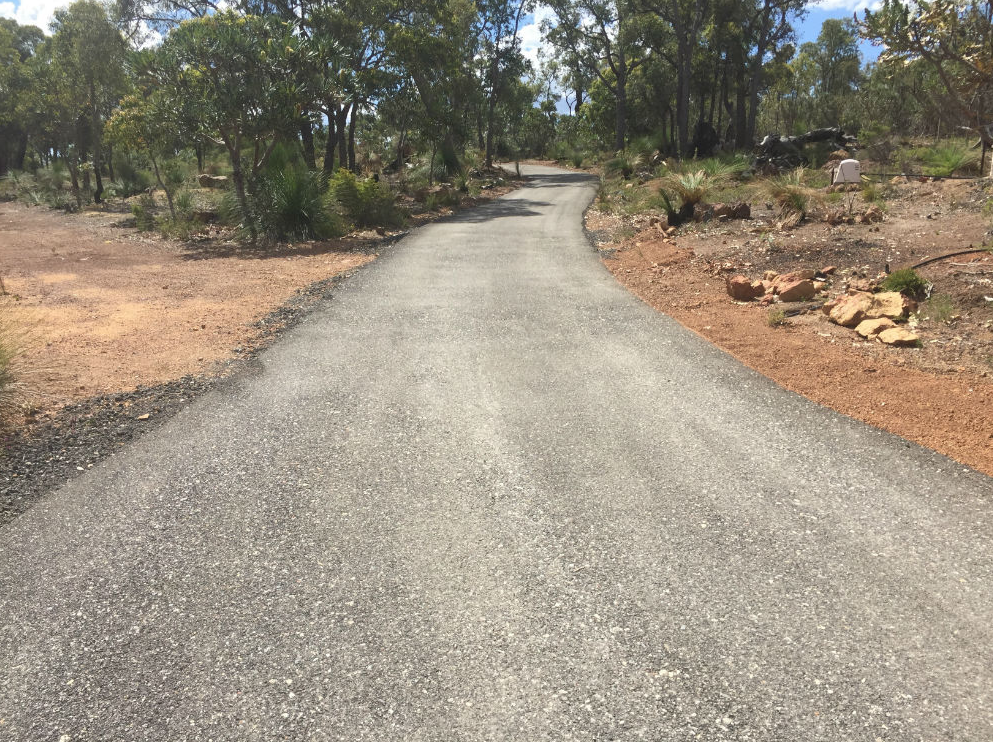
A hardstand that performs well under cars and light commercial vehicles may not be suitable for trucks, trailers, plant or loaded machinery. Heavy vehicles impose far greater pressure on the pavement, while turning, braking and prolonged parking create additional stresses that can expose weaknesses beneath the surface.
If a hardstand is cracking, sinking or developing ruts, repairing the visible damage alone may not provide a lasting solution. Property owners and operators in Werribee, VIC, Australia, should consider whether the complete pavement structure is strong enough for its actual use.
How to Determine Whether Your Hardstand Needs Strengthening
Hardstand performance depends on more than the appearance of its asphalt or bitumen surface. The subgrade, road base, pavement thickness, drainage and construction quality must all work together to distribute vehicle loads.
An assessment should therefore consider how the area is used, the type of vehicles operating on it and the pattern of existing deterioration.
Heavy Vehicles Create Concentrated Loads
A heavy vehicle does not simply add more weight across the entire hardstand. Its load is transferred through the wheels, creating concentrated pressure on relatively small sections of pavement.
The effect can become more severe when vehicles:
- Remain parked in the same position for extended periods
- Carry heavy or unevenly distributed loads
- Turn tightly at low speed
- Brake repeatedly in the same area
- Use narrow entry and exit routes
- Operate close to unsupported pavement edges
- Travel across the hardstand many times each day
A suitable hardstand must be designed to accommodate these movements without excessive deformation.
Rutting Can Indicate Inadequate Support
Ruts are depressions that form along regular wheel paths. They may develop when the asphalt deforms, the road base moves or the underlying ground lacks sufficient strength.
Rutting should not be treated as a cosmetic issue. Depressions can hold water, create uneven vehicle movement and place further pressure on adjacent pavement. If new material is applied without correcting the failed layer below, the wheel paths may return.
The depth and pattern of the ruts can help identify whether the problem is limited to the surface or extends through the pavement structure.
Cracking May Reveal Structural Movement
A small isolated crack can result from normal ageing, but repeated or interconnected cracking may indicate that the pavement is flexing under loads it was not built to carry.
Signs that deserve closer investigation include:
- Cracks following wheel paths
- Crocodile-style cracking across heavily used areas
- Cracks around loading and turning zones
- Surface movement beside drains or edges
- Repaired cracks that reopen
- Several defects appearing within the same section
Water can enter through open cracks and weaken the materials beneath, accelerating the rate of deterioration.
Sinking Around Parking and Loading Areas
Static loads can be demanding, particularly where loaded vehicles or heavy equipment remain in one place. Localised sinking beneath support legs, wheels or frequently used parking positions suggests that the pavement is not distributing the load effectively.
The affected area may require a stronger base, greater pavement depth or a different construction detail. Simply filling the depression may restore the level temporarily without correcting the lack of support.
Turning Areas Often Fail First
Hardstands are exposed to horizontal forces as well as downward pressure. When a heavy vehicle turns, its tyres can twist and push against the surface. These forces are particularly strong during tight manoeuvres.
Warning signs in turning areas may include:
- Scuffing or tearing of the surface
- Loose asphalt particles
- Shoving or raised sections
- Curved cracks following tyre paths
- Depressions near access points
These locations may require additional pavement strength and careful compaction to withstand repeated manoeuvring.
Drainage Is Essential for Pavement Strength
Even a well-built hardstand can deteriorate if water remains on the surface or enters the layers below. Saturated base material may lose strength, allowing the pavement to flex and settle under heavy vehicles.
Poor drainage may be indicated by:
- Standing water after rainfall
- Soft or pumping pavement edges
- Sediment emerging through cracks
- Repeated potholes in the same location
- Erosion beside the hardstand
- Water collecting around drainage points
Strengthening work should address surface falls, drainage paths and water entry rather than focusing only on pavement thickness.
The Subgrade Must Be Properly Assessed
The subgrade is the natural ground supporting the constructed pavement. If it is soft, variable or poorly compacted, the layers above may move regardless of the surface quality.
A stronger hardstand may require unsuitable material to be removed, weak ground to be stabilised or the base depth to be increased. The correct solution depends on site conditions and the loads the pavement must support.
Good surface materials cannot compensate indefinitely for an unstable foundation.
Would Resurfacing Be Enough?
Resurfacing may be appropriate when the existing base remains stable and deterioration is limited to the upper surface. It can restore texture, improve waterproofing and renew an ageing hardstand.
However, resurfacing is unlikely to correct:
- Deep rutting
- Widespread structural cracking
- Ongoing settlement
- Weak or contaminated road base
- Subgrade movement
- Serious drainage problems
Where these defects are present, failed sections may need to be excavated and rebuilt before a new surface is applied.
What Makes a Heavy-Duty Hardstand Stronger?
A hardstand intended for heavy vehicle use should be designed around actual operating conditions. Important considerations include:
- Vehicle types and expected loads
- Frequency of use
- Parking and loading duration
- Turning and braking movements
- Subgrade condition
- Road base quality and thickness
- Surface material and depth
- Drainage and edge support
- Connections to access roads and entry points
This information allows the pavement specification to be matched to the demands placed upon it.
Why a Professional Assessment Matters
Similar-looking defects can have different causes. A depression may result from surface deformation, base failure or weak ground beneath the pavement. Each cause requires a different repair approach.
A professional hardstand assessment examines the failure pattern, construction layers, drainage and vehicle movements. This helps determine whether targeted strengthening, resurfacing or more extensive reconstruction is appropriate.
Conclusion
Your property may need a stronger hardstand if heavy vehicles are causing rutting, cracking, sinking or surface movement. Lasting improvements depend on addressing the complete pavement structure, including the subgrade, road base, drainage and high-stress turning areas.
Werribee Road Tech provides professional hardstand construction, assessment and resurfacing in Werribee, VIC, Australia. If your existing surface is struggling under heavy vehicle use, contact our team to discuss a solution suited to the site’s operating demands.
ACall us on: 03 4159 2883
Click here to find out more about Werribee Road Tech
Click here to complete our contact form and see how we can help with your driveway needs.