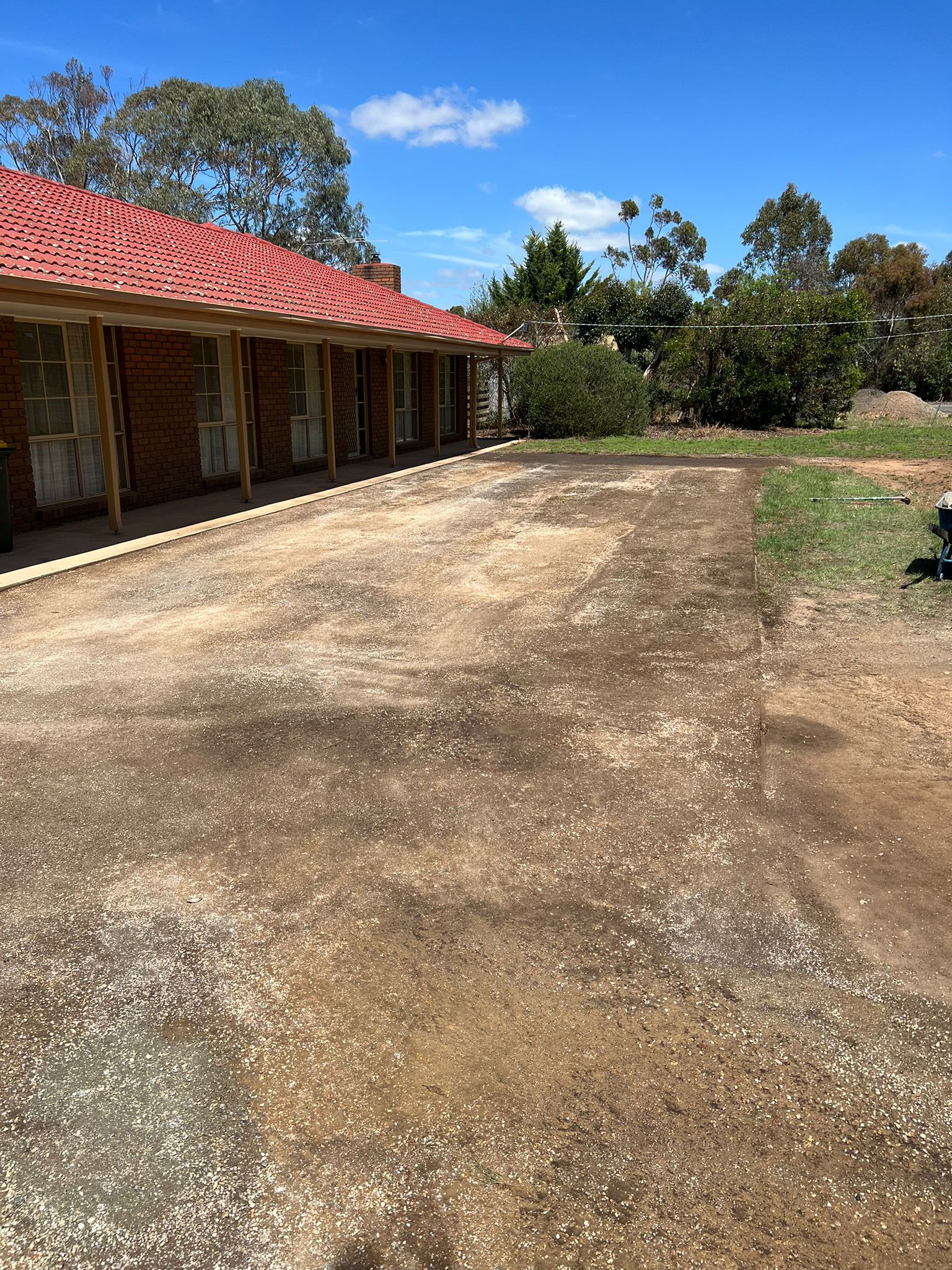
Choosing a driveway surface is an important decision for any homeowner. The right material should provide a durable driving surface, complement the appearance of the property and cope with regular vehicle use and changing weather conditions. Asphalt, bitumen-based surfacing and concrete are all used for driveways, but their characteristics and installation requirements differ.
For property owners in Werribee, VIC, Australia, understanding these differences can help when planning a new driveway or upgrading an existing one. The best choice depends on factors such as ground preparation, drainage, expected traffic, maintenance requirements and the finish you want to achieve.
Understanding Asphalt, Bitumen and Concrete Driveways
Before selecting a driveway material, it helps to understand how each surface is made and how it performs in everyday use.
Asphalt is a mixture of aggregates bound together with bitumen. It creates a relatively smooth, continuous surface that is commonly used for driveways, access roads and car parks.
Bitumen is the binding material used in asphalt and other road surfacing systems. In driveway discussions, the term bitumen surfacing can also refer to treatments such as sprayed bitumen with a layer of aggregate. The precise system matters because different applications have different textures, finishes and maintenance needs.
Concrete is produced using cement, aggregates and water to form a solid surface. It can be finished in different ways to suit the appearance and practical requirements of a property.
Although these options have distinct characteristics, the quality of the finished driveway depends heavily on the preparation beneath the surface and the suitability of the installation method.
Asphalt Driveways: A Smooth and Practical Surface
Asphalt is a popular option for driveways because it provides a consistent surface suitable for everyday vehicle access. Its dark finish can create a neat appearance and complement many property styles.
When installed over a properly prepared base, asphalt can accommodate regular vehicle movements and provide a durable surface. It is also relatively straightforward to maintain, provided cracks and other defects are addressed before water reaches the underlying layers.
However, asphalt can soften under high temperatures and may develop depressions where vehicles repeatedly apply pressure, particularly if the base or installation is inadequate. Poor drainage can also contribute to deterioration over time.
For homeowners in Werribee, asphalt may be worth considering when the priority is a practical, continuous driveway surface. Correct grading, compaction and drainage are essential to help the finished pavement perform as intended.
Bitumen Surfacing: A Flexible Approach to Driveway Finishes
Bitumen-based surfacing can be suitable for certain residential driveways, depending on the system selected and the condition of the existing ground. Sprayed bitumen treatments, for example, use a bituminous binder with aggregate to create a textured surface.
One consideration is the type of finish required. Some bitumen treatments produce a more textured appearance than conventional asphalt, which may suit properties where a less uniform finish is preferred.
Performance depends on the installation method, aggregate selection, traffic levels and condition of the underlying surface. If the base is unstable or drainage is poor, the new surfacing may not resolve the underlying problem.
It is therefore important to distinguish between a complete driveway pavement and a surface treatment applied over an existing base. A professional assessment can help establish which option is suitable for your driveway and whether preparatory work is needed.
Concrete Driveways: A Firm and Versatile Finish
Concrete offers a solid driveway surface that can be finished in several ways. Depending on the design, homeowners can choose a plain finish or a decorative texture to complement the property’s exterior.
When properly installed and cured, concrete can provide a durable surface for everyday vehicle use. It also offers a different visual appearance from the darker finish associated with asphalt.
Concrete is not maintenance-free, however. Cracking can occur because of ground movement, inadequate preparation, shrinkage or poorly designed joints. Repairs may also be more noticeable when the existing concrete has weathered or changed colour.
Concrete installation requires suitable base preparation, appropriate joint placement and sufficient curing time before the surface is used. It may be a good choice when the appearance and firm finish of the driveway are important considerations.
Comparing the Three Driveway Surfaces
Each material has advantages, so comparing them against your property’s needs can help narrow the options.
- Asphalt: Provides a smooth, dark finish and is suitable for regular vehicle access when installed over a stable base.
- Bitumen surfacing: Can offer a practical textured finish, depending on the system used and the condition of the existing pavement.
- Concrete: Provides a firm surface with a range of possible finishes, although joints and cracking need to be considered during installation.
No surface is automatically the best choice for every driveway. The material must suit the ground conditions, intended use and drainage requirements. A poorly prepared base can cause problems regardless of the material used.
Why Ground Preparation and Drainage Matter
The long-term performance of a driveway depends on more than its visible surface. Beneath the finished layer, the ground must provide adequate support for vehicle loads and allow water to drain away appropriately.
If the base is weak, uneven or poorly compacted, the driveway may develop depressions, cracks or areas of movement. Water that collects on the surface can also accelerate deterioration or affect the supporting layers.
Before installation, the site should be assessed for ground stability, existing drainage and the levels needed to direct water appropriately. The driveway’s thickness and construction should also reflect the expected traffic.
For properties in Werribee, VIC, Australia, addressing these practical considerations before choosing the finish can help avoid problems that would otherwise affect the completed driveway.
Choosing the Right Driveway for Your Property
Start by considering how the driveway will be used. A short residential driveway serving a small number of vehicles may have different requirements from a wider entrance or an area that regularly accommodates heavier vehicles.
Next, consider the appearance you want, the condition of the existing driveway and whether the site has any drainage or ground-related issues. If you are resurfacing an existing driveway, it is particularly important to determine whether the current base is suitable for the proposed treatment.
An experienced surfacing contractor can assess these factors and explain which material is likely to meet your needs. This helps ensure that the decision is based on the site’s requirements rather than appearance alone.
Professional Driveway Surfacing in Werribee, VIC, Australia
Werribee Road Tech provides driveway surfacing services for property owners looking to create a practical, well-finished access area. Whether you are considering asphalt, bitumen surfacing or another suitable pavement option, assessing the existing ground and intended use is an important first step.
The right approach should account for the driveway’s layout, surface requirements, drainage and expected traffic. Careful preparation and appropriate installation methods help create a finish that suits the property and performs reliably under normal use.
If you are planning a new driveway or upgrading an existing surface, contact Werribee Road Tech to discuss your requirements and arrange an assessment in Werribee, VIC, Australia.
Conclusion
Asphalt, bitumen surfacing and concrete each offer different characteristics for residential driveways. Asphalt provides a smooth, practical finish, bitumen treatments can offer a textured alternative, and concrete allows a firm surface with a variety of finishes.
The most suitable option depends on your property’s ground conditions, drainage, vehicle use and preferred appearance. By assessing these factors before installation, homeowners in Werribee, VIC, Australia, can make a more informed decision. Werribee Road Tech can help you explore suitable driveway surfacing options and determine the approach that best meets your property’s needs.
A Call us on: 03 4159 2883
Click here to find out more about Werribee Road Tech
Click here to complete our contact form and see how we can help with your driveway needs.