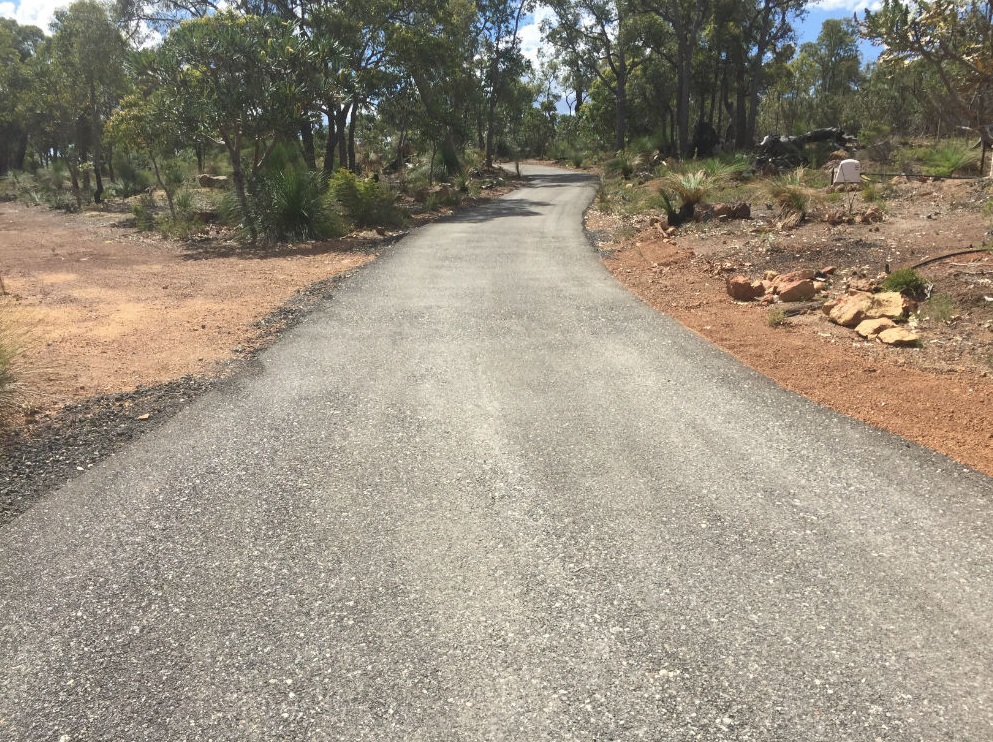
A hardstand designed for heavy vehicles needs to do more than provide a firm surface for parking or access. It must support substantial loads, withstand repeated vehicle movements and remain stable under changing weather conditions. Whether used for trucks, trailers, machinery or commercial vehicles, a poorly constructed hardstand can quickly develop ruts, cracks, uneven sections and drainage problems.
For property owners and businesses in Werribee, VIC, Australia, choosing the right construction approach is essential for creating a durable and practical hardstand. The quality of the preparation, materials and installation all influence how well the finished surface performs under demanding conditions.
A Strong and Stable Foundation
The foundation is one of the most important parts of a hardstand intended for heavy vehicles. Even a durable surface material can fail if the ground beneath it has not been properly prepared.
Heavy vehicles place considerable pressure on the ground, particularly when carrying full loads or turning in confined spaces. If the underlying soil is weak, uneven or poorly compacted, the surface above may begin to sink or shift.
Proper site preparation typically involves removing unsuitable material, assessing the existing ground and establishing a stable base. The depth and composition of the foundation should reflect the expected vehicle loads, ground conditions and intended use of the area.
A well-prepared foundation distributes weight more effectively and reduces the risk of premature surface failure.
Correct Material Selection for Heavy Traffic
The choice of surface material has a significant impact on the strength and durability of a hardstand. It must be capable of handling repeated loading without becoming excessively worn or unstable.
Depending on the site requirements, suitable options may include:
- Crushed rock: Provides a compactable base or finished surface for certain applications when correctly graded and maintained.
- Asphalt: Creates a relatively smooth and continuous surface that can be designed to accommodate regular vehicle movements.
- Concrete: Offers a rigid surface that can be suitable for areas exposed to substantial static and moving loads when appropriately designed.
- Other specialised pavement systems: May be considered where particular site conditions or operational requirements call for an alternative construction method.
The most appropriate option depends on vehicle weights, traffic frequency, turning movements, ground conditions and drainage requirements. Selecting materials based on the actual demands of the site helps prevent problems caused by an unsuitable surface.
Proper Compaction Throughout Construction
Compaction is essential for achieving a hardstand that remains stable under heavy use. During construction, the base materials need to be compacted correctly so that they form a dense and consistent supporting layer.
Poor compaction can leave air gaps and weak sections within the foundation. As heavy vehicles repeatedly travel over these areas, the material may settle unevenly, resulting in depressions, loose patches or surface cracking.
Compaction should be carried out using suitable equipment and appropriate methods for the material being installed. The thickness of each layer, moisture conditions and ground characteristics all influence the final result.
Consistent compaction helps create a reliable base that supports the finished surface and reduces the likelihood of movement over time.
Effective Drainage to Protect the Surface
Water management is another important consideration when constructing a heavy-duty hardstand. Rainwater that collects on the surface or penetrates the foundation can gradually weaken the supporting materials.
Standing water may contribute to surface deterioration, while excessive moisture within the base can reduce its stability. These problems can become more noticeable where heavy vehicles repeatedly travel, turn or park.
A suitable drainage design should direct water away from the hardstand and prevent persistent pooling. This may involve establishing appropriate surface gradients, incorporating drainage channels or allowing water to flow towards suitable collection points.
For properties in Werribee, considering local site conditions and rainfall patterns during construction helps create a surface that remains functional throughout the year.
Adequate Thickness and Load Distribution
A hardstand for light vehicles does not necessarily have the strength required for trucks, delivery vehicles or heavy machinery. Its construction must account for the weight and frequency of the vehicles using it.
The thickness of the pavement and its supporting layers should be determined according to the expected loading conditions. Areas where heavy vehicles regularly turn, brake or remain stationary may experience greater stresses than sections used mainly for straight-through access.
A suitable design considers both the finished surface and the layers beneath it. This helps distribute loads across the foundation rather than concentrating excessive pressure in isolated areas.
Planning for actual vehicle movements is therefore just as important as choosing a durable surface material.
A Surface Designed for Practical Vehicle Movement
A well-constructed hardstand should also suit the way vehicles use the space. Tight turning areas, frequent reversing and repeated movements along the same route can place additional stress on particular sections.
The layout should provide sufficient room for vehicles to enter, manoeuvre, park and leave without unnecessary strain on the surface. Where possible, the design should also avoid abrupt level changes and poorly formed edges that may deteriorate under repeated loading.
Considering these practical requirements before construction helps produce a hardstand that supports day-to-day operations rather than simply providing a strong surface.
Professional Hardstand Construction in Werribee
Creating a durable hardstand requires careful attention to ground preparation, material selection, compaction, drainage and expected vehicle loads. Overlooking any of these elements can affect the performance of the finished surface.
Werribee Road Tech provides driveway and hardstand services in Werribee, VIC, Australia. Whether you need a new hardstand for commercial vehicles, machinery or regular heavy-duty access, the team can assess your site requirements and recommend a suitable construction approach.
Conclusion
A hardstand suitable for heavy vehicles depends on much more than the strength of its visible surface. A stable foundation, correctly selected materials, consistent compaction, effective drainage and appropriate pavement thickness all contribute to long-term performance.
By planning the construction around the vehicles and conditions the surface must accommodate, property owners can achieve a more reliable and practical result. If you are considering a heavy-duty hardstand in Werribee, VIC, Australia, contact Werribee Road Tech to discuss your requirements and arrange an assessment.
A Call us on: 03 4159 2883
Click here to find out more about Werribee Road Tech
Click here to complete our contact form and see how we can help with your driveway needs.